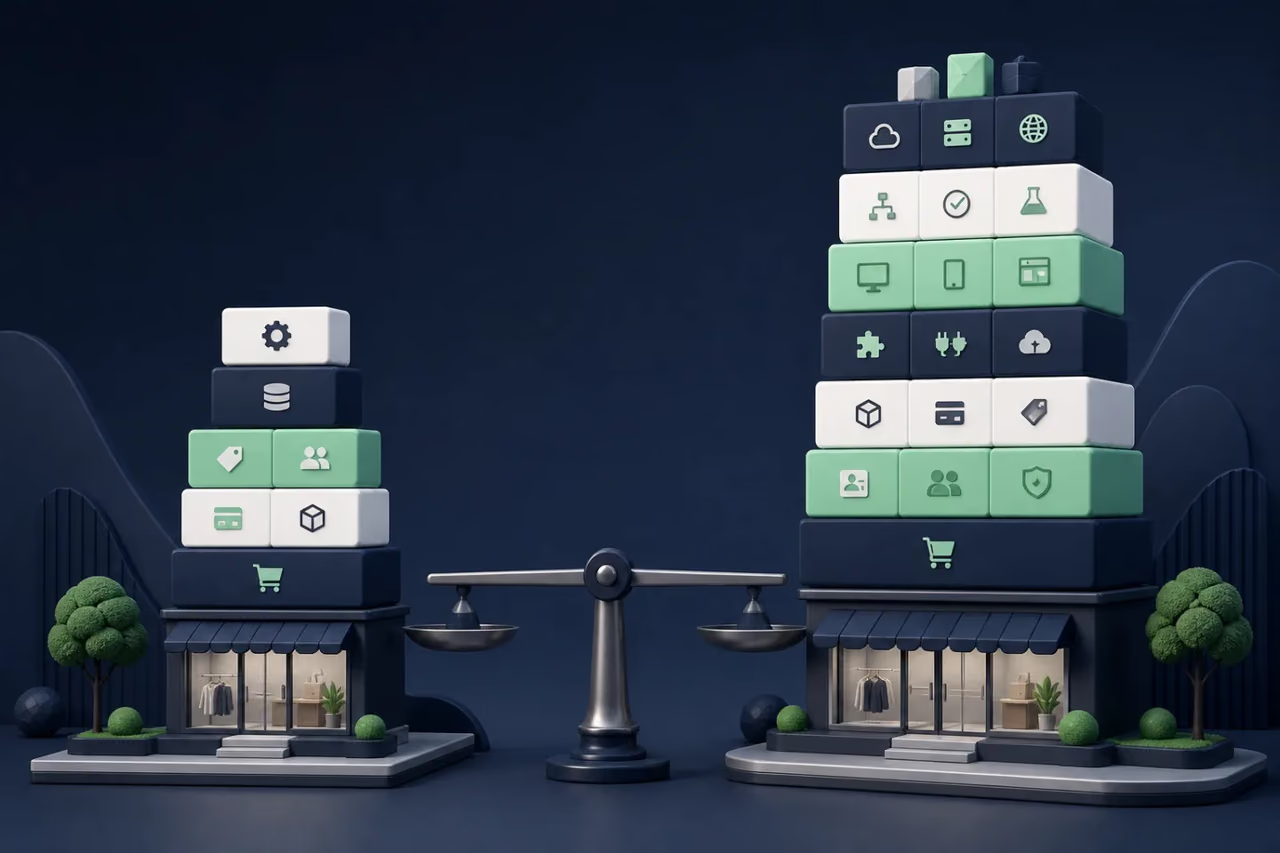

Two Magento 2 shops can look nearly identical above the fold and cost very different amounts. The difference usually does not sit in the mock-up. It is hidden in data, integrations, failure handling, B2B rules, testing and responsibility for the launch.
Example budgets of £10,000 and £30,000 show how standard and extended scopes differ in sales processes, integrations and launch responsibilities.
What does the development budget cover?
Magento Open Source is available without a licence fee. The store budget covers discovery, design, configuration, code, integrations, data, testing and launch. Adobe Commerce adds its own licence model.
The largest part of the implementation budget is the work required to build a specific sales operation. A standard process using established components may be relatively lean. A system reflecting individual trade agreements, several warehouses and an unusual order flow grows much more quickly.
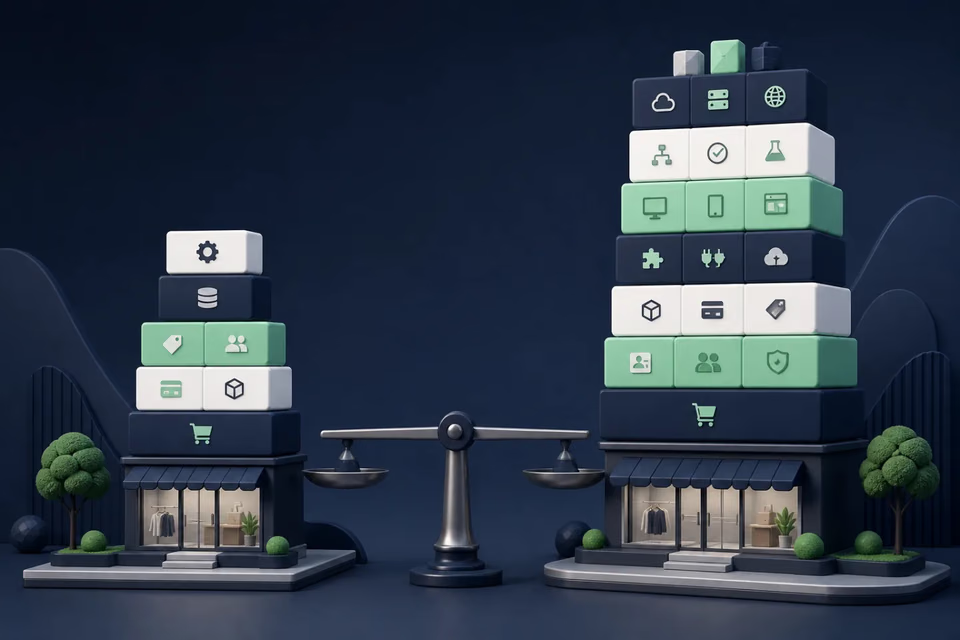
The same platform can support a straightforward store or a complex B2C and B2B ecosystem.
What do two example scopes include?
| Area | Example budget: £10,000 | Example budget: £30,000 |
|---|---|---|
| Discovery | Short discovery, standard processes | Workshops, architecture and many exception scenarios |
| Frontend | Adaptation of an existing component system | Bespoke UX and UI with an extensive design system |
| Integrations | One well-documented integration | ERP, PIM, WMS, CRM and asynchronous processes |
| Features | Standard B2C | B2B, roles, limits, approvals and complex pricing |
| Testing | Functional testing and UAT | Automation, performance, security and regression |
| Launch | One migration and short stabilisation | Migration rehearsals, rollback plan and extended hypercare |
A standard scope delivers the core sales process with established components and a well-documented integration. An extended scope adds bespoke rules, several systems, migration rehearsals, automated testing and monitoring. Compare proposals against these deliverables.
Which areas change the budget?
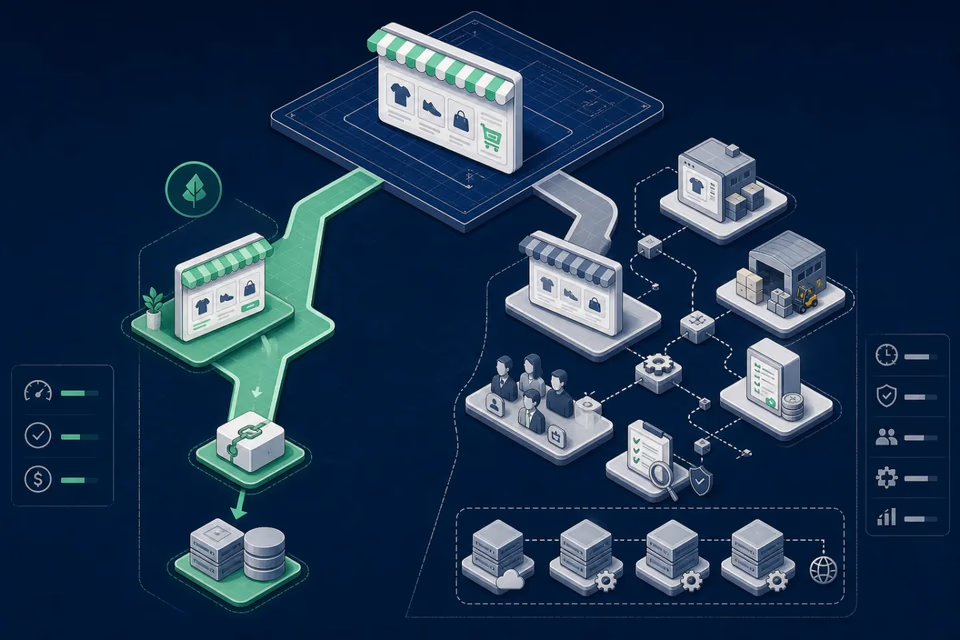
The largest differences usually come from integrations, data, B2B, quality and launch responsibility.
Discovery
A standard, well-documented process allows a short discovery stage. Multiple companies, price lists, warehouses and buyer roles require a fuller model of processes, data and responsibility. Agreements made before development define the architecture, scope and delivery stages.
Integrations and data
An integration combines API access with agreed data sources, mappings and event order. Its scope includes retries, monitoring and historical migration. Reviewing real records lets the team reconcile identifiers, complete the required fields and select the data to transfer.
Frontend and features
Adapting established components is quicker than creating a bespoke design system. Search, product configuration, promotions, company accounts, credit limits and a custom checkout also change the scale of delivery. Even “B2B” may mean one extra customer role or a full order-approval system.
Testing and stabilisation
Regression and load testing, migration rehearsals, monitoring and post-launch support protect sales continuity. Their scope and the technical partner’s responsibilities form part of the development budget.
How should you compare proposals?
- Compare processes and acceptance criteria, not the number of screens.
- Check who owns the other side of every integration.
- Separate licences and recurring costs from implementation.
- Ask about data migration, SEO and the launch plan.
- Define defects, change control and the warranty period.
Agree the design assets, data preparation and API access too. The proposal should identify who provides each item, when it will be ready and the scope of additional work. This gives both teams a shared delivery plan.
How can you align scope with the budget?
Focus the first release on the core sales process, with discovery, data preparation, testing and stabilisation included. These elements provide the foundation for order management and further development.
Plan additional markets, features and automation in later stages. A standard checkout and a coherent data and integration model let you launch sales and develop the store around your priorities.
Keep the foundations of quality: launch the core processes with discovery, testing and a rollback plan. Add further features in planned stages.
When should you phase a Magento project?
Phasing lets you spread the complete scope across successive investments. The first release covers the process that generates most value, with later stages adding markets, B2B features and automation. The architecture accounts for these stages from the beginning.
Magento 2 store development covers the route from discovery to launch. You receive a delivery plan for the first release and later stages of development.
What happens to the budget after launch?
The post-launch budget covers security updates, monitoring, infrastructure care and extension compatibility checks. Include extension licences, integration development and features supporting new business processes.
Well-structured code and tests make updates and further development easier. Compare implementation costs with the next few years of operation, including integration maintenance and planned changes.
Plan your next step
Magento 2 development for B2C and D2C provides coordinated stores, shared data and substantial bespoke commerce workflows, including within one store. Plan the launch scope alongside Magento 2 support and development. For one online-store operation built around native features, apps and integrations, start with Shopify development.